Research and analysis. Editorial standards.
Review the material before uploading
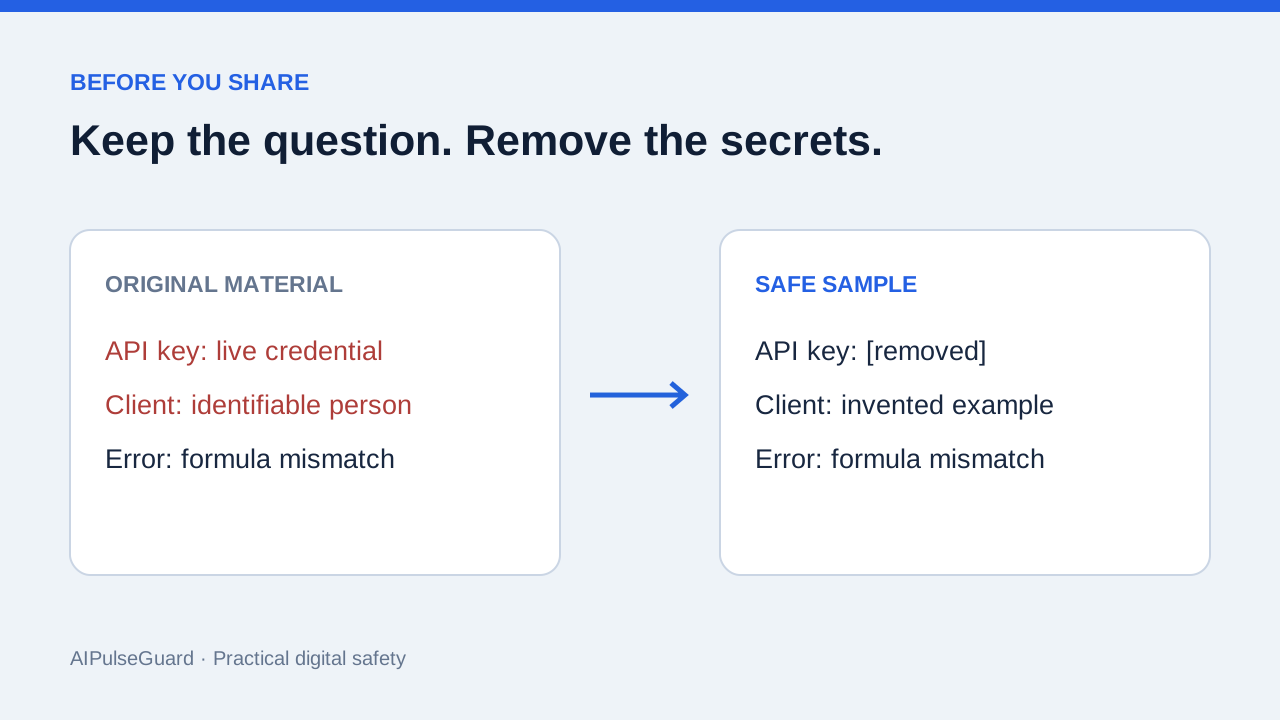
A useful prompt rarely needs everything in the original file. Before pasting a log, spreadsheet or email, look for access tokens, passwords, recovery codes, private keys, customer identifiers and confidential commercial terms. Remove information unrelated to the question.
For example, debugging a formula may require column names and a few invented sample rows, rather than a full payroll spreadsheet. Explaining an error may require the error text, rather than a complete server log that contains authentication headers.
Choose the correct account and service
Consumer and organization-managed accounts may have different terms and administrative controls. Check the exact service’s current retention and data processing settings. Do not assume that a familiar brand name implies the same policy across every product.
Follow your organization’s rules for approved tools. If the task needs regulated or sensitive records, consult the responsible team before uploading them. Substituting initials for names may not be enough when other details identify a person.
Make a safe sample
- Copy only the part needed to explain the problem.
- Replace identifiers and real values with consistent invented examples.
- Remove hidden sheets, comments and metadata if sharing a file.
- Check the remaining context for details that reveal an identity.
- Verify that the modified sample still reproduces the question.
If you accidentally share a credential, treat it as potentially exposed: revoke or rotate it using the provider’s controls. Deleting the chat is not a substitute for revocation. For confidential records, document the event and follow your organization’s incident process.
Related articles
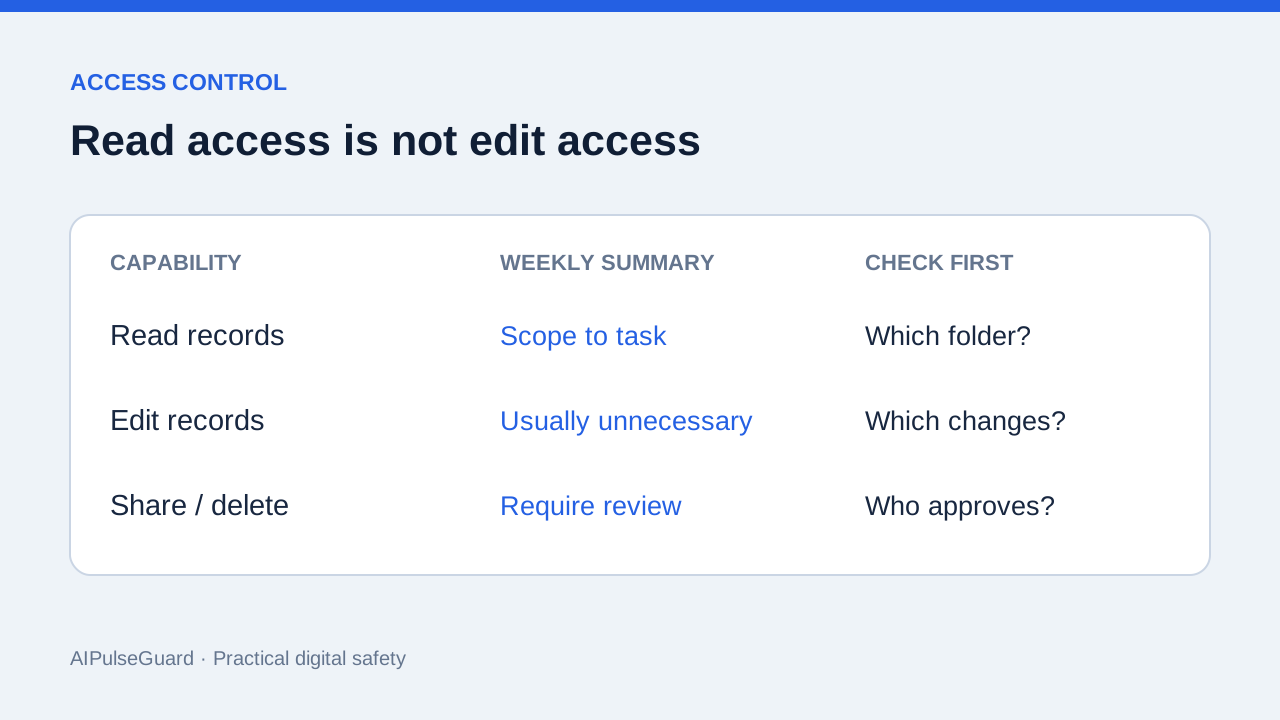
Before you connect an AI agent, check these permissions
A practical way to turn a vague access request into a small, auditable set of capabilities.
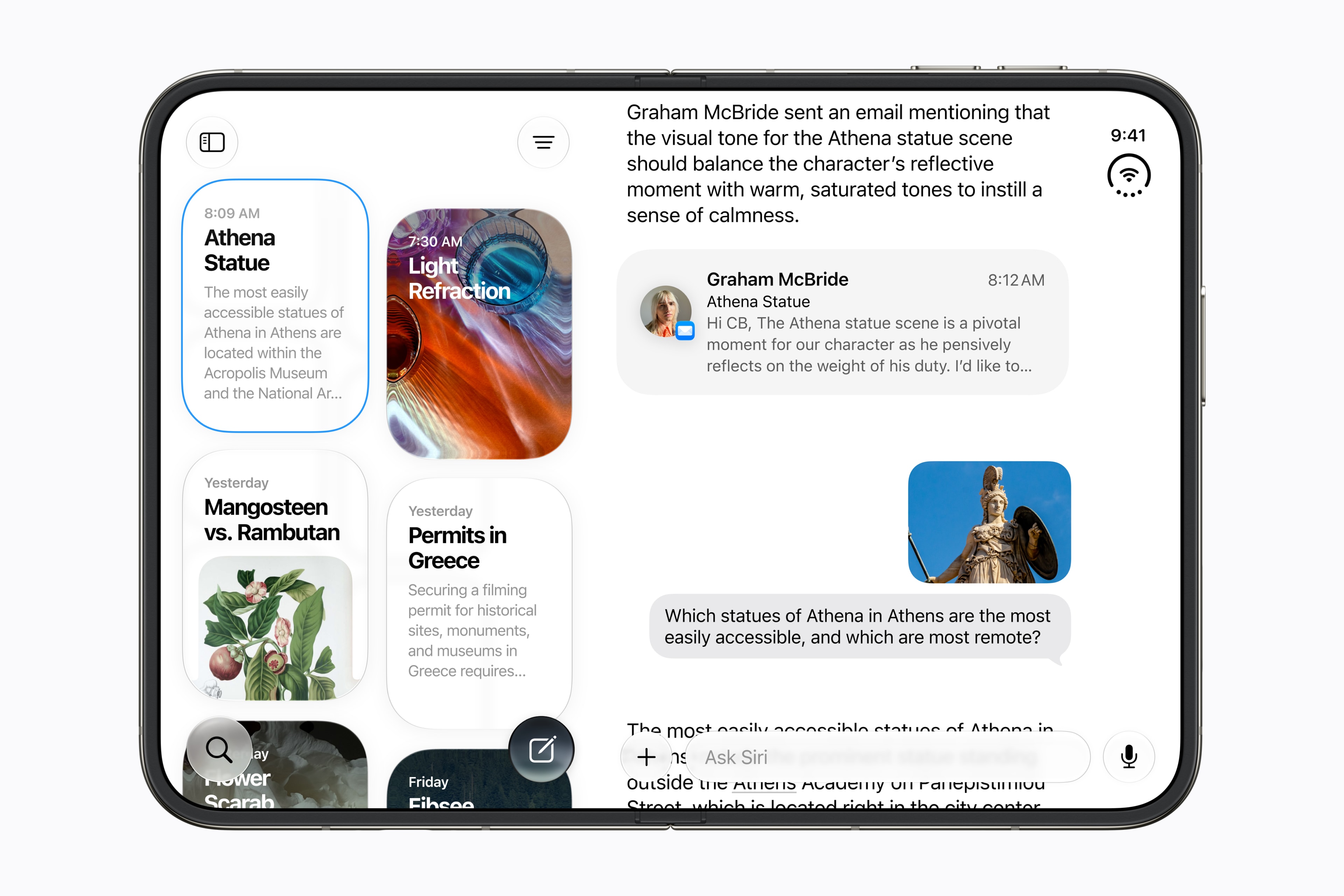
iPhone Duo and Siri AI: A Practical Privacy Checklist
Separate on-device processing, cloud requests and your own sharing decisions before using personal-context AI.
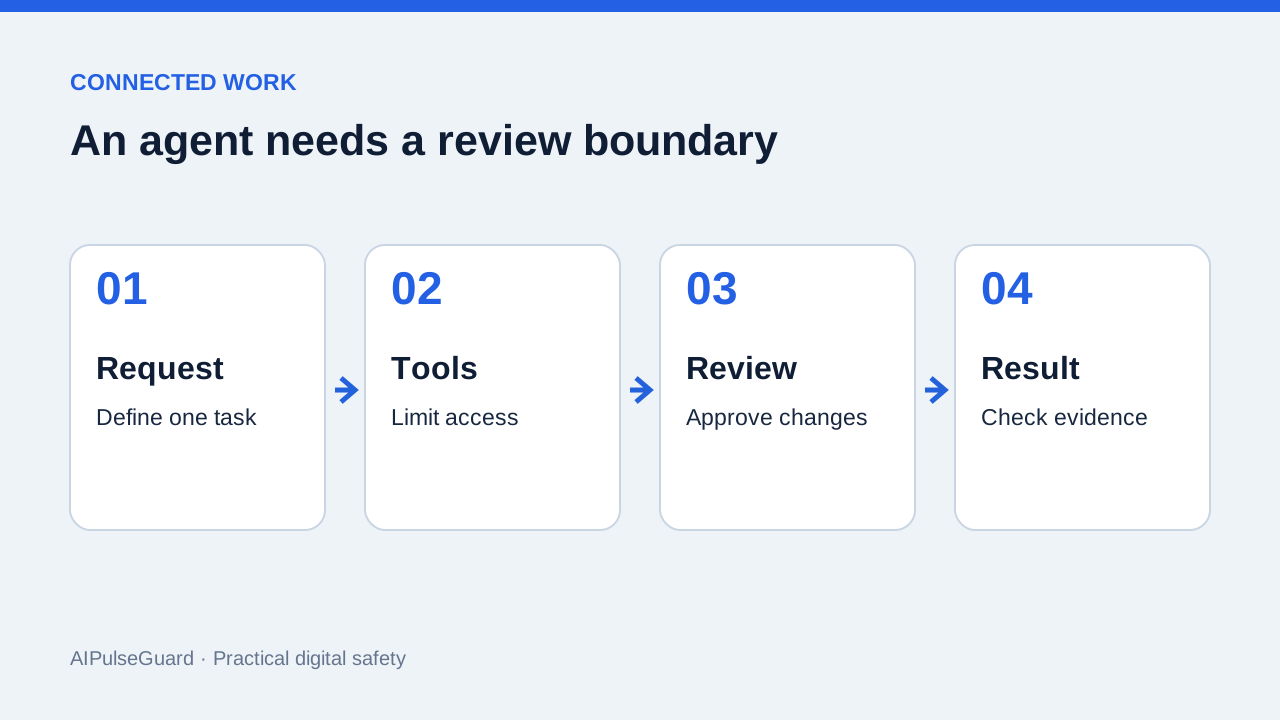
Google Gemini Agent Is Here: What It Does, How It Works and the Security Risks to Know
Google’s new workplace agent puts connected business systems in reach of a prompt. Here is what is confirmed, what remains unclear, and how to evaluate the risks.